
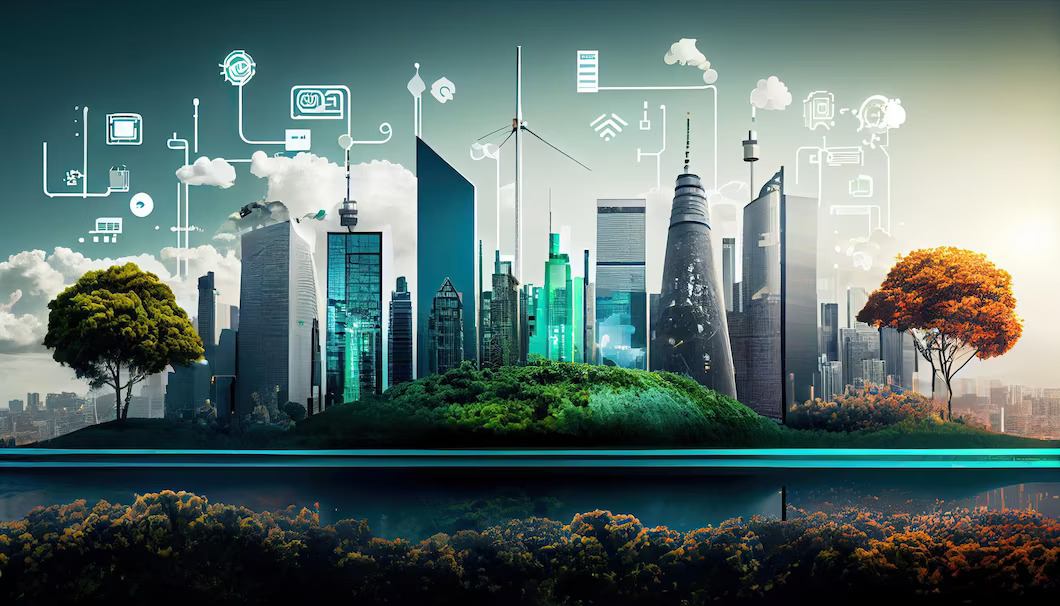
We stand at a pivotal moment in human history. For the first time, more than half of the global population resides in urban areas, a figure projected to swell to nearly 70% by 2050. This relentless urbanization presents a dual-faced challenge: cities are the engines of global economic growth and innovation, yet they are also the primary culprits behind 70% of global carbon emissions and colossal resource consumption. The unchecked expansion of concrete jungles has led to crippling traffic congestion, hazardous air pollution, urban heat islands, and profound social inequalities. The old model of urban development is not just broken; it is unsustainable.
In response, a revolutionary new paradigm is emerging. Across the globe, from the drawing boards of visionary architects to the policy desks of forward-thinking municipalities, a new blueprint for the future is being drafted. This isn’t merely about adding a few solar panels or planting more trees. It is a holistic, technology-driven, and deeply integrated vision for the Sustainable Tech City. This article provides an in-depth exploration of the core pillars that define these cities of tomorrow, examining the sophisticated technologies and transformative strategies that will reshape our urban landscapes into resilient, efficient, and truly livable habitats for generations to come.
A. The Foundational Framework: Core Principles of a Sustainable Tech City
Before delving into specific technologies, it is crucial to understand the underlying philosophy. A Sustainable Tech City is not defined by a single gadget or policy but by a set of core, interlocking principles.
-
Circular Economy Integration: Moving beyond the traditional “take-make-dispose” linear model, these cities embrace a circular economy. This means designing out waste and pollution, keeping products and materials in use for as long as possible, and regenerating natural systems. Every output is considered a potential input for another process.
-
Carbon Neutrality and Climate Resilience: The ultimate goal is to achieve a net-zero carbon footprint. This involves not only eliminating emissions but also designing urban infrastructure to withstand the escalating impacts of climate change, such as extreme weather events, sea-level rise, and prolonged droughts.
-
Human-Centric and Equitable Design: Technology is a means to an end, not the end itself. The city must be designed for the well-being, health, and happiness of all its inhabitants. This principle prioritizes accessibility, affordability, and social inclusion, ensuring that the benefits of technological advancement are shared universally, not just by a privileged few.
-
Data-Driven Governance and Adaptive Management: The city functions as a living, breathing organism that is continuously monitored. A vast network of sensors collects real-time data on everything from energy consumption to traffic flow, enabling city managers to make evidence-based decisions, optimize systems dynamically, and respond proactively to emerging issues.
-
Ecological Integration and Biodiversity Net Gain: Instead of paving over nature, the city is woven into the local ecosystem. The development actively seeks to restore and enhance natural habitats, promote biodiversity, and incorporate green spaces as essential infrastructure for air purification, water management, and mental well-being.
B. The Digital Nervous System: IoT, AI, and Big Data in Urban Management
At the heart of every Sustainable Tech City lies a sophisticated digital layer a “nervous system” that connects its various components. This is powered by the Internet of Things (IoT), Artificial Intelligence (AI), and Big Data analytics.
Imagine a city where:
-
Smart Grids: IoT sensors on power lines, transformers, and even in homes monitor electricity flow in real-time. AI algorithms balance supply and demand, seamlessly integrating intermittent renewable sources like solar and wind, and preventing blackouts through predictive maintenance.
-
Intelligent Water Management: Sensors detect leaks in water mains instantly, saving millions of gallons. Smart irrigation systems in public parks water plants based on real-time soil moisture and weather forecast data, drastically reducing water waste.
-
Predictive Waste Management: Smart bins equipped with fill-level sensors communicate their status to a central system. AI then calculates the most efficient collection routes for garbage trucks, reducing fuel consumption, traffic congestion, and overflow.
-
AI-Powered Public Safety: Data analytics can identify patterns to predict and prevent crime hotspots. Integrated emergency response systems can automatically re-route traffic to clear a path for ambulances and fire trucks, shaving critical minutes off response times.
This constant stream of data creates a “digital twin” of the city—a virtual replica that allows planners to simulate the impact of new policies, infrastructure projects, or even natural disasters before a single brick is laid or a policy is implemented.
C. Powering the Future: The Renewable Energy Revolution in Urban Cores

Energy is the lifeblood of a city, and the future is unequivocally renewable. The goal is to create a decentralized, resilient, and 100% clean energy ecosystem.
A. Rooftop and Building-Integrated Solar: Beyond large-scale solar farms, the focus is on maximizing energy generation within the city itself. This includes installing solar panels on virtually every suitable rooftop, but also pioneering Building-Integrated Photovoltaics (BIPV). BIPV involves replacing conventional building materials (like windows, facades, and roof tiles) with solar-generating equivalents, turning entire skyscrapers into vertical power plants.
B. Urban Wind and Micro-Generation: While large wind turbines are often located offshore or in rural areas, innovative urban wind turbines—designed to capture the turbulent winds that flow between and over buildings—are becoming more viable. Furthermore, micro-generation technologies, such as piezoelectric tiles that generate power from foot traffic in crowded subway stations, can contribute to the local energy mix.
C. Advanced Energy Storage Systems: The sun doesn’t always shine, and the wind doesn’t always blow. This intermittency problem is solved by advanced energy storage. Massive grid-scale battery banks, often using next-generation lithium-ion or flow battery technology, store excess energy during peak production for use during high demand or at night. Additionally, concepts like “vehicle-to-grid” (V2G) allow electric vehicles to act as a distributed network of mobile batteries, feeding power back into the grid when needed.
D. District Heating and Cooling: This highly efficient system uses a centralized plant to heat or cool water, which is then circulated through a network of insulated pipes to multiple buildings across a district. This eliminates the need for individual, inefficient HVAC units in each building. The central plant can be powered by geothermal energy, waste heat from industrial processes, or sustainably sourced biomass, dramatically cutting the carbon footprint of temperature control.
D. Rethinking Mobility: Seamless, Shared, and Zero-Emission Transportation
The era of the private, gasoline-powered car dominating city streets is coming to an end. The sustainable urban mobility model is built on a “Mobility as a Service” (MaaS) platform, integrated with physical infrastructure.
A. The MaaS Digital Platform: Imagine a single app that plans your entire journey, combining and paying for all modes of transport. It might suggest you take an e-scooter to a transit hub, board a driverless electric bus, and then complete the “last mile” on a shared e-bike all with a single ticket and seamless navigation.
B. Proliferation of Electric and Autonomous Vehicles (EVs and AVs): A full transition to electric vehicles is non-negotiable. This is supported by a ubiquitous network of fast-charging stations. Furthermore, the eventual integration of autonomous vehicles will revolutionize urban logistics and personal transport. AVs can reduce accidents, optimize traffic flow by communicating with each other, and provide affordable, on-demand mobility for the elderly and disabled.
C. Prioritizing Active and Micro-Mobility: The most sustainable trip is the one not taken by a car. Sustainable Tech Cities are designed for walking and cycling. This means expansive, safe, and interconnected networks of pedestrian pathways and dedicated bicycle superhighways, often shielded from weather and traffic. The integration of micro-mobility options like e-scooters and e-bikes provides flexible, low-impact alternatives for shorter trips.
D. Reimagined Public Transit: High-frequency, reliable, and comfortable electric public transit forms the backbone of urban mobility. This includes not only metros and light rail but also autonomous electric shuttles that can adapt their routes in real-time based on demand, ensuring no neighborhood is left behind.
E. Constructing the Built Environment: Green Buildings and Intelligent Materials
The very fabric of the city its buildings must evolve. Green building practices go far beyond simple energy efficiency.
A. Net-Zero Energy Buildings: These structures are designed to produce at least as much renewable energy as they consume on an annual basis. This is achieved through super-insulated envelopes, passive solar design (orienting buildings to maximize winter sun and minimize summer heat), high-performance windows, and, of course, on-site renewable generation.
B. Sustainable and Smart Materials: The construction industry is embracing materials with a lower carbon footprint, such as cross-laminated timber (which sequesters carbon), and self-healing concrete that repairs its own cracks, extending its lifespan. “Smart” materials can change their properties in response to environmental stimuli; for example, electrochromic glass that tints automatically to reduce solar heat gain.
C. Water Positivity and Rainwater Harvesting: Buildings are designed to be water-positive, meaning they collect and treat more water than they use. This involves sophisticated rainwater harvesting systems, greywater recycling (reusing water from sinks and showers for toilet flushing and irrigation), and blackwater treatment plants that can reclaim water for non-potable uses.
D. Biophilic Design: This principle recognizes humanity’s innate connection to nature. It involves incorporating natural elements directly into the built environment such as living walls (vertical gardens), indoor green atriums, and green roofs. These features improve air quality, reduce the urban heat island effect, lower stress levels, and enhance overall occupant well-being and productivity.
F. The Lifeblood of the City: Sustainable Water and Closed-Loop Waste Systems
A Sustainable Tech City manages its resources with the precision and efficiency of a natural ecosystem.
A. Advanced Water Reclamation and Reuse: Instead of viewing wastewater as a problem to be disposed of, it is seen as a valuable resource. Advanced membrane bioreactor plants can treat wastewater to a purity standard higher than most drinking water, allowing it to be safely reintroduced into the water supply for non-potable uses, or even, with advanced treatment, for drinking (a process known as potable reuse).
B. Urban Farming and Aquaponics: To reduce food miles and increase resilience, these cities promote local food production. Rooftop farms, vertical hydroponic farms inside repurposed warehouses, and integrated aquaponic systems (which combine fish farming with plant cultivation) provide fresh, local produce year-round, creating a new urban agricultural economy.
C. The Zero-Waste Hierarchy: The city operates on a zero-waste-to-landfill principle. This is achieved through a strict hierarchy:
1. Redesign and Reduce: Encouraging products with less packaging and longer lifespans.
2. Reuse and Repair: Establishing robust systems for repairing, sharing, and reusing goods.
3. Recycle and Compost: Implementing AI-powered optical sorting facilities that achieve near-perfect recycling rates. All organic waste is composted or processed in anaerobic digesters to create biogas for energy.
4. Recover Energy: For any non-recyclable waste, it is converted to energy through advanced thermal treatment (gasification) rather than being sent to a landfill.
G. The Human Element: Fostering Community, Equity, and Digital Inclusion
Technology without community is an empty shell. The success of a Sustainable Tech City hinges on its citizens.
A. Participatory Planning and Digital Democracy: Citizens are not passive recipients but active co-creators of their urban environment. Digital platforms allow for constant feedback, participatory budgeting (where residents decide how to spend a portion of the public budget), and collaborative design workshops, ensuring the city reflects the needs and aspirations of its people.
B. Universal Digital Access and Literacy: High-speed, affordable broadband is treated as a fundamental human right, a utility as essential as water or electricity. Concurrently, programs are implemented to ensure all citizens, regardless of age or background, have the digital literacy skills to access city services, participate in the digital economy, and leverage the city’s technological tools.
C. Affordable Housing and Social Sustainability: Technological advancement must not lead to gentrification and displacement. Sustainable Tech Cities proactively integrate mixed-income housing, inclusionary zoning policies, and innovative construction methods (like 3D printing) to keep housing affordable and maintain the social fabric of diverse, vibrant communities.
Conclusion: The Long Road to a Sustainable Urban Tomorrow
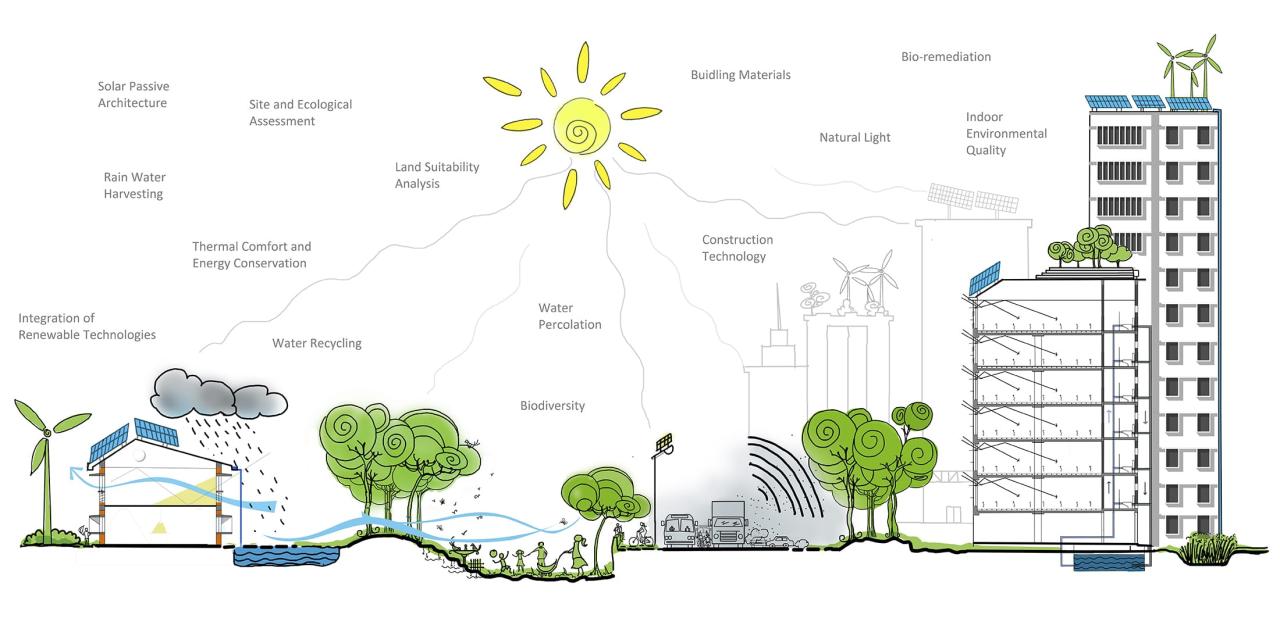
The vision of the Sustainable Tech City is audacious, complex, and will not be realized overnight. It requires unprecedented collaboration between urban planners, engineers, tech companies, policymakers, financiers, and, most importantly, citizens. The challenges are immense from the staggering upfront costs and regulatory hurdles to the critical need for data privacy and cybersecurity.
However, the blueprint is no longer a fantasy. Elements of it are being tested and implemented in cities from Singapore and Copenhagen to Amsterdam and Songdo. The transition to these cities of the future is not merely an option for environmental stewardship; it is an economic imperative and a moral obligation. By harnessing the power of technology with wisdom and a relentless focus on human well-being, we can transform our crowded, polluted urban centers into regenerative engines of prosperity, resilience, and hope. The journey to build the cities of tomorrow begins with the choices we make today.